Kindness Activities for Toddlers: 10 Two-Minute Ideas That Actually Stick
Nina OttmanIf you’ve ever told your toddler to “be nice” and immediately watched them do the exact opposite… you’re not alone.
Kindness isn’t something toddlers just know. It’s something they practice. Over and over. In tiny, everyday moments that don’t look all that impressive from the outside.
The good news? You don’t need a big lesson plan or a perfectly behaved child to start teaching kindness.
You just need a few small opportunities… and about two minutes.
Here are 10 simple ways to help your toddler practice kindness today (no prep required).

1. Let someone go first
This works everywhere. Snack time. Going down the slide. Walking through a doorway.
A simple “let’s let them go first” builds patience and respect in a way toddlers can actually understand.
2. Check on someone who’s upset
When a sibling or friend is crying, gently prompt:
“Should we go check on them?”
You’re not forcing empathy. You’re creating a moment to notice it.
3. Help clean up one thing
Not the whole room. Just one thing.
“Can you put that book back for me?”
Small, doable actions build the habit of helping without overwhelming them.
4. Deliver something to someone
“Can you bring this to Dad?”
“Can you give this to your sister?”
Toddlers love having a “job,” and this builds connection while they do it.
5. Offer a snack to someone else
Before they dive into their snack, try:
“Should we give one to your brother too?”
It shifts the focus from mine to ours in a really natural way.
6. Say “thank you” for them (at first)
Toddlers don’t always remember polite words in the moment.
Model it out loud:
“Thank you for bringing that!”
Eventually, they’ll start repeating it on their own.
7. Practice gentle touch
Whether it’s a pet, a sibling, or even your arm, practice what “gentle” means.
Toddlers aren’t trying to be rough. They just don’t know the difference yet.
8. Notice something kind they already did
Instead of generic praise, be specific:
“You gave her space when she was upset. That was really kind.”
You’re helping them understand what kindness actually looks like.
9. Hand something back to someone
Instead of full-on sharing battles, try:
“Can you give that back to them?”
It builds awareness of others without triggering territorial meltdowns.
10. Celebrate a small win
When your toddler shows kindness—even in a tiny way—pause and notice it.
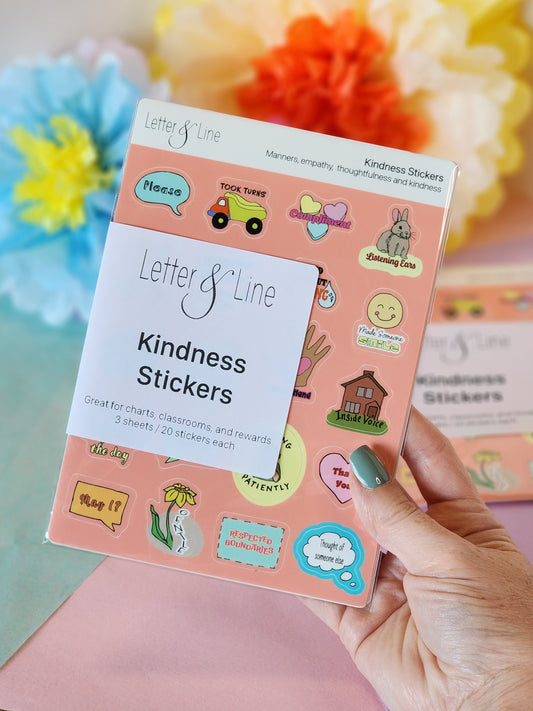
This is where a small reward sticker can help reinforce what just happened.
Because now they know exactly what you want to see more of.
(And yes… this is exactly why I design kindness-focused stickers. Not just for “being good,” but for specific, real-life moments like these.)

Why these small moments matter
Teaching kindness to kids isn’t about raising a perfectly polite child.
It’s about helping them notice other people… and giving them simple ways to respond.
Most of these moments take less than two minutes. But repeated over time, they build something much bigger.
A toddler who starts to see themselves as someone who helps, shares, and cares.
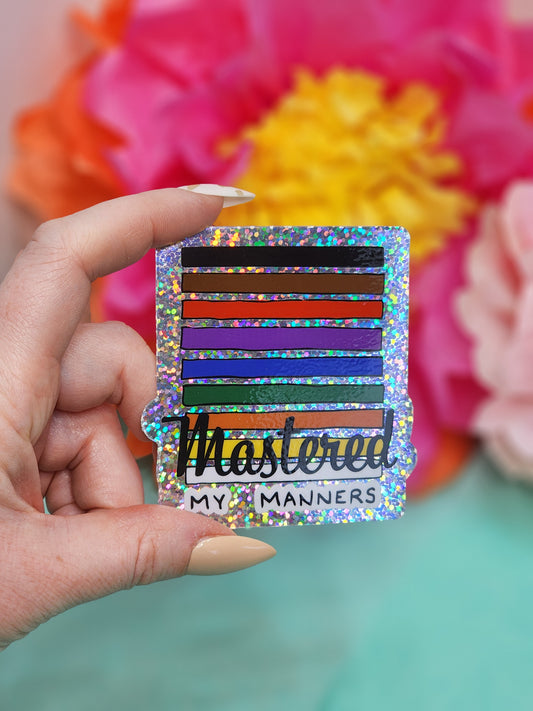
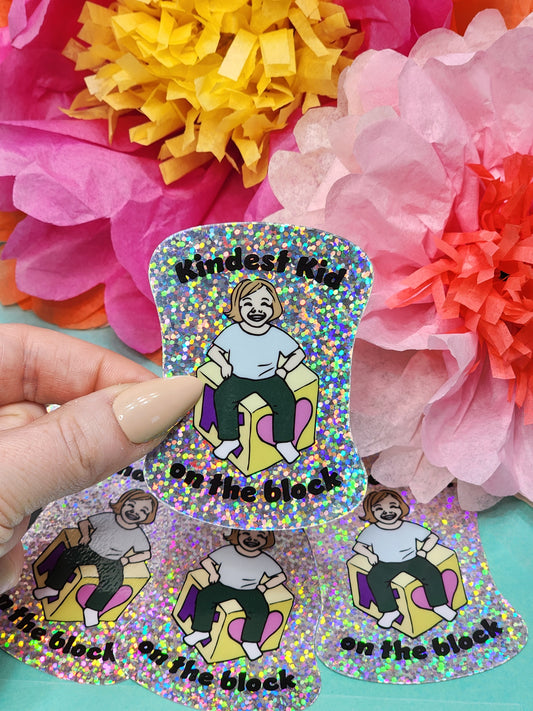
And if you want a little extra support along the way, tools like kindness reward stickers or milestone moments like “Mastered My Manners” or “Kindest Kid on the Block” can help make those small wins feel a little more real (for both of you).
Because when kids can see their progress, they’re a lot more likely to keep going.