5 Potty Milestones Worth Celebrating
Nina OttmanPotty training is full of small steps. Sitting. Trying. Sprinting to the bathroom and almost making it.
And while those everyday efforts deserve recognition, there are a few moments along the way that really are milestone-worthy. The kind of moments that feel big to your child because they represent growth, confidence, and independence.
These milestones don’t happen all at once, and they don’t always arrive on a predictable timeline. But when they do, they serve as a benchmark of progress that is worth celebrating.
Here are five potty training milestones that deserve a little extra recognition, and why each one matters.

1. Pooping in the Potty (No Diaper Hiding)
Pooping on the potty is often one of the biggest hurdles in potty training. If you've ever had a child request a diaper for "no reason" or become suspiciously interested in hanging out behind the couch, you know what I'm talking about.
Pooping sans diaper exposes your child to new feelings, requires body awareness, and a heaping dose of patience and trust. For many kids, this milestone comes later, after peeing on the potty feels routine.
And that’s why this moment matters so much. It’s not just about the outcome. It’s about bravery, follow-through, and listening to their body through an experience that might feel weird and scary.

2. Practicing Proper Hygiene
Potty training isn’t just about using the toilet. It’s about what comes next.
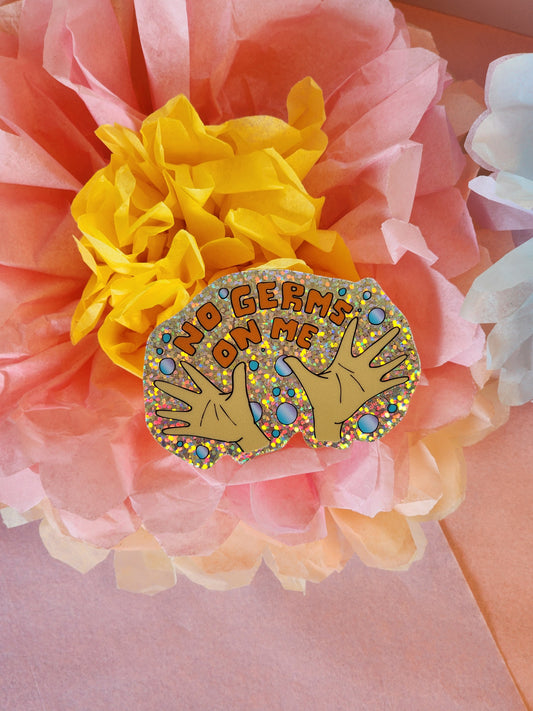
Learning to wipe, flush, and wash hands properly is a major step toward independence. It shows that your child is beginning to understand the full routine, not just the main event.
This milestone is especially worth celebrating because it reinforces responsibility and self-care. It also helps potty training extend beyond the bathroom and into everyday habits that support health and confidence.
3. Braving the Public Restroom
Using a public restroom for the first time is a big step.
New toilets. Loud flushes. Different routines. Less familiarity. It asks kids to apply what they’ve learned in a completely new environment.
This milestone shows flexibility and confidence. It means you're free to travel as a family without timing your trip within potty windows.
Whether it’s a store, a restaurant, or a family outing, that first successful public restroom experience deserves recognition. It’s proof that potty training is becoming portable.
4. Waking Up Dry
Waking up dry, whether after a nap or overnight, is an important developmental milestone.
Even if your child is still wearing a diaper or pull-up, staying dry shows physical readiness for the next advanced stage of potty training. Staying dry throughout sleep is not something children can control through effort alone, which is exactly why noticing it matters.
Celebrating this milestone isn't about being done with midnight sheet changes. It’s about acknowledging a sign of progress and building confidence.
5. "Graduating" From Potty Training
Becoming a “potty graduate” looks a little different for every family.
For some kids, it means no more diapers at all. For others, it means being trusted (and feeling confident) using the toilet independently and knowing what to do when their body signals it’s time.
This milestone represents the culmination of many smaller steps. Awareness. Practice. Setbacks. Growth.
Even if you never noticed the "finish line," it’s worth celebrating the journey, and how much your child has grown.
Why Milestones Matter (and Why We Celebrate Them)
Milestones give kids a way to see how far they’ve come.
They also give parents a chance to pause and recognize progress that’s easy to miss in the day-to-day work of potty training.
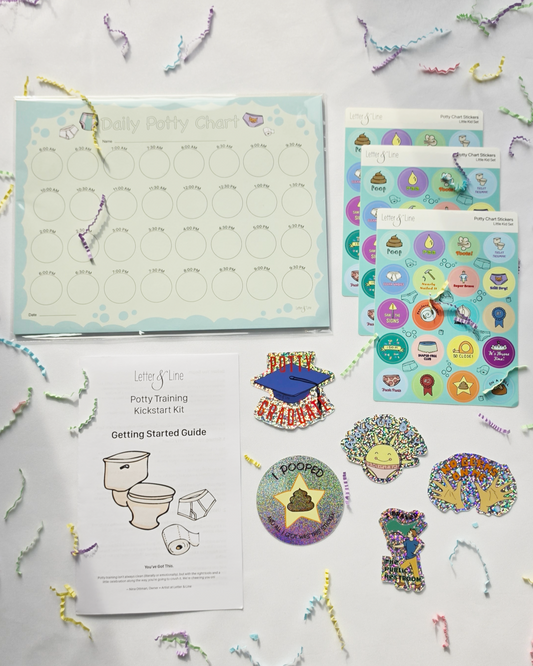
Some families like to mark these moments with a simple ritual, a photo, or a keepsake. Others use tools like milestone stickers to make the moment visible and memorable for their child.
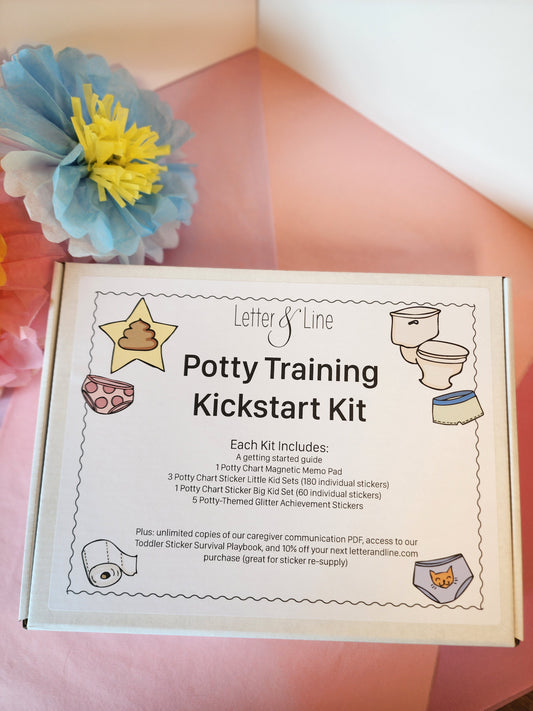
For families who like having everything ready from day one, the Potty Training Kickstart Kit bundles daily tracking tools with milestone stickers to support progress from start to finish.
However you choose to celebrate, the goal is the same: acknowledging growth, reinforcing confidence, and honoring the work it took to get there.