Beyond Potty Training Basics: How to Stay Motivated and Make Progress
Nina OttmanShare
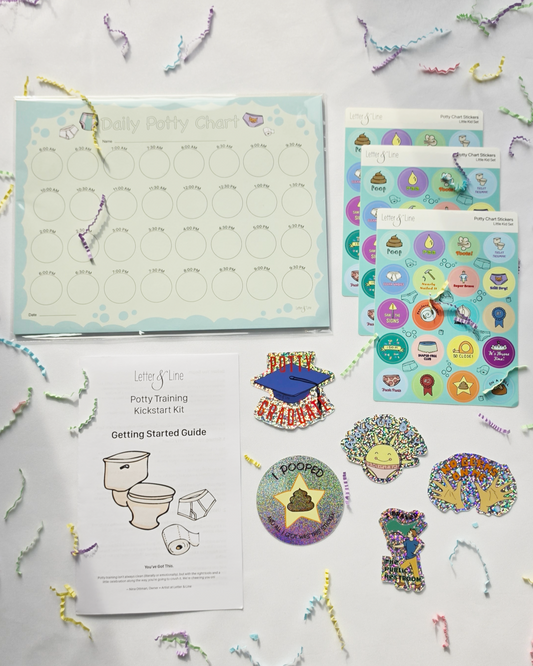
So you started potty training. You got the chart. You celebrated those first triumphs with wild applause and a glitter sticker. Maybe you even said “we’re almost there!”
But here you are. Weeks (or months?) later. Still wiping, still washing undies, still negotiating about poop. And you're wondering, is this normal? (Yes.) Are we ever going to be done? (Also yes. Eventually.)
This post is your reminder that potty training regression and the long middle are completely normal — this isn't a one-and-done milestone. It’s a winding path with a lot of tiny, unsatisfying steps. And that's okay. It just means you’re in the thick of it. And we’ve got some encouragement (and a few sanity-saving tips) to keep you going.
1. Normalize the Long Middle
Some kids “get it” in three days. Others get it in three days . . . and then slowly, gradually, excruciatingly keep working on it for weeks or months afterward.
That’s still success. Potty training isn’t just learning to pee in the potty. It’s building habits, developing awareness, managing timing, overcoming fear or resistance, and mastering both day and night skills.
If it feels like you’re stuck in the in-between, you’re not alone. You're just in the long middle.
2. Celebrate Progress You May Have Overlooked
It’s easy to focus on what’s not happening: still not poop trained, still having to sprint to make it in time, still wet at night. But don’t let those blind you to the wins:
- They’re starting to notice the urge?
- They’re making it to the potty more often than not?
- They’re communicating more?
- They’re showing interest in wiping or flushing?
These are all signs of growth even if they're not send-them-to-your-in-laws-in-their-best-clothes ready yet.
3. Switch Up the Tools, Not the Message
Sometimes a chart or reward system that worked at the beginning starts to lose steam. That doesn’t mean it was a bad idea, it just means your toddler is starting to feel the drag too.
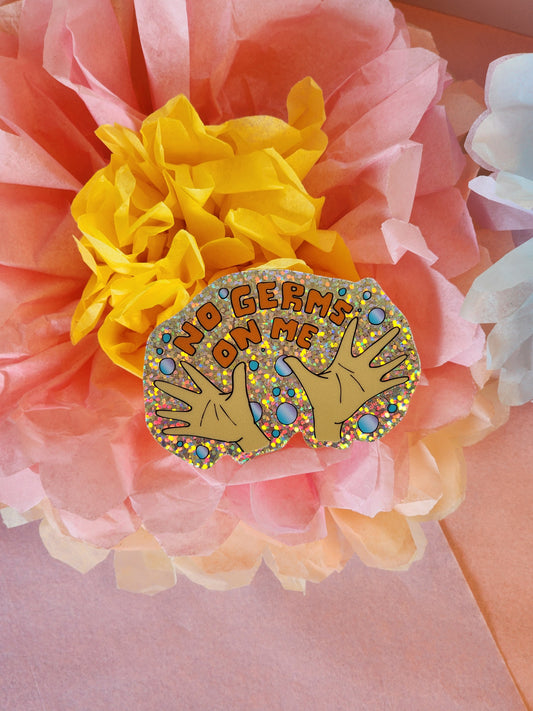
Try introducing a new kind of incentive—like a glitter milestone sticker for something specific (pooping in the potty, using a public restroom while away from home, waking up dry).
Keep the overall message the same:
You're learning.
You're doing great.
I believe in you.
You can also switch focus: from external rewards to internal pride, from daily tracking to weekly celebration, from “do it right” to “look how far you’ve come.” Only you know your child best and what will motivate them the most.
4. Set New, Specific Mini-Goals (That Reflect Where You Actually Are)
At this point, you're not potty training from scratch. You're coaching a kid who knows what to do . . . but only does it 75% of the time, with the occasional surprise potty regression just to shake things up.
This is the time for highly specific, sanity-saving goals:
- Waking up, peeling off the night diaper, and using the potty first thing instead of having one last diaper pee
- Starting to poop in the potty instead of waiting until bedtime and asking for a pull-up
- Pausing mid-play to go instead of holding it until there's an emergency
These aren’t beginner wins. They’re the signs your toddler is leveling up. So pick one, name it out loud, and cheer like mad when it happens.
5. If You’re Reading This, You’re Already Doing the Hard Part
Let’s skip the fluff: you’re reading this because you’re still in the game. You haven’t checked out. You care. You’re problem-solving, tweaking the routine, googling at 10 p.m., and wondering if anyone else has been stuck in this weird “almost-but-not-quite” phase for this long. (Yes. Yes they have.)
That matters. A lot.
Every reminder, every rinse of the undies, every calm-ish “let’s try again” builds trust. Builds skill. Builds the independence you’re working toward—even if it’s coming slower than you hoped.
This phase doesn’t need perfection. It needs consistency. Humor, when you can find it. Grit, when you can’t. And a little voice in your head that says: you've got this.
And you do. Even now.
This Is What Progress Looks Like
Potty training rarely happens in a neat, tidy straight line. It's usually a tangle of trial and error, regression and growth, soggy pants and surprise victories.
So if you're in that messy middle, keep going! Your child is learning. You're doing the work. And one day soon, you'll look back and realize the sticker chart is gathering dust and the pull-ups are gone.
Until then? Keep a trash bag in the car. Keep the extra pants in your bag. And if resistance has crept back in alongside the regression, here's how to handle potty training power struggles without turning the bathroom into a battleground.
Keep believing in your kid, and yourself.
You're doing a great job.