Potty Training Milestone Kit: What It Is and How to Pick the Right One
Nina OttmanPotty training can feel surprisingly unstructured for something every child eventually learns.
One day you’re dealing with diapers, and the next you’re trying to figure out routines, timing, rewards, and what actually counts as progress.
It’s no surprise that many parents start looking for a milestone kit to bring a little order to it all.
A clear system. A way to step through each stage as your child learns. Something that helps both you and your child see progress over time.
But not all milestone kits are designed with potty training in mind.
So before you commit to one, it helps to understand what actually supports this stage of learning and what to look for in a setup that will carry you from day one through the finish line.

1. What is a Milestone Kit?
A milestone kit is designed to support a specific stage of a child’s development.
That stage could be tied to age, like a monthly subscription that delivers activities for each phase. Or it could be tied to a specific skill, like potty training, where the focus is on helping a child move from one level of independence to the next.
Some milestone kits are part of a larger system.
These are often subscription-based and cover a range of developmental areas over time, with each box introducing something new.
Others are one-time kits built around a single milestone.
Instead of spreading attention across multiple stages, they focus on one area and support it more fully from start to finish.
Both approaches can be helpful, depending on what you’re looking for.
But when it comes to potty training, that difference becomes more important.
Because potty training isn’t just one milestone. It’s a series of smaller steps that build on each other over time.
2. What General Milestone Kits Miss When It Comes to Potty Training
General milestone kits are designed to cover a wide range of developmental stages.
That usually means each milestone gets a small piece of attention rather than a deep, focused system.
When potty training is included, it’s often in the form of a few basic tools:
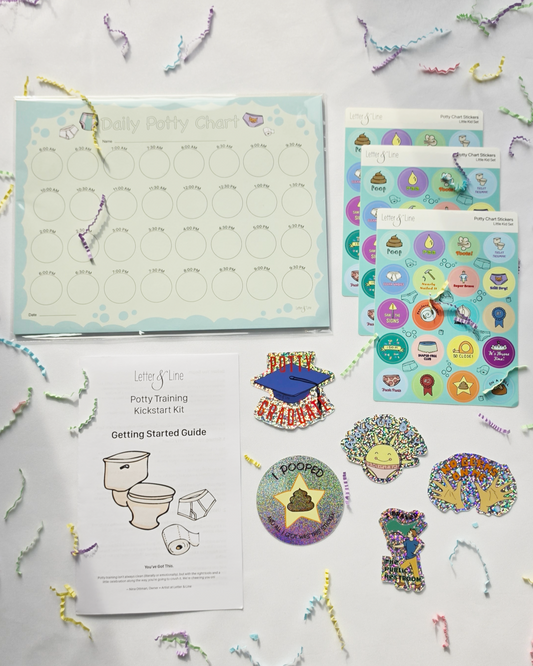
- A simple chart
- A generic sticker sheet
- A short set of instructions or tips
On the surface, that can feel like enough to get started.
But potty training rarely unfolds in a straight line.
Children move through different phases.
They stall.
They regress.
They need encouragement in different ways at different times.
And that’s where the limitations start to show.
A basic chart might track success, but it doesn’t always guide what to do next.
Generic rewards may not match the specific milestones your child is working through.
And without a clear structure, parents often end up filling in the gaps themselves.
Not because anything is wrong with the kit, but because it wasn’t designed to carry the full process on its own.

3. What Parents Still Have to Figure Out Themselves
When a potty kit gives you only the basics, parents still end up doing a lot of interpretation on their own.
A general chart with generic stickers may help track whether a child had a “successful” day, but potty training is usually more layered than that.
Parents often still need to pay attention to things like:
- tries
- almosts
- accidents
- timing patterns
- dry stretches
- bigger milestone moments
That matters because those details help you make sense of your child’s body rhythms and where they are in the learning process.
A more general reward system can also be harder for a child to connect to.
If every sticker looks the same, or every reward is tied to one full successful day, it can be harder for a toddler to understand what exactly they’re being celebrated for.
And in the beginning, one fully successful day may feel too big, too far away, or too inconsistent to motivate much at all.
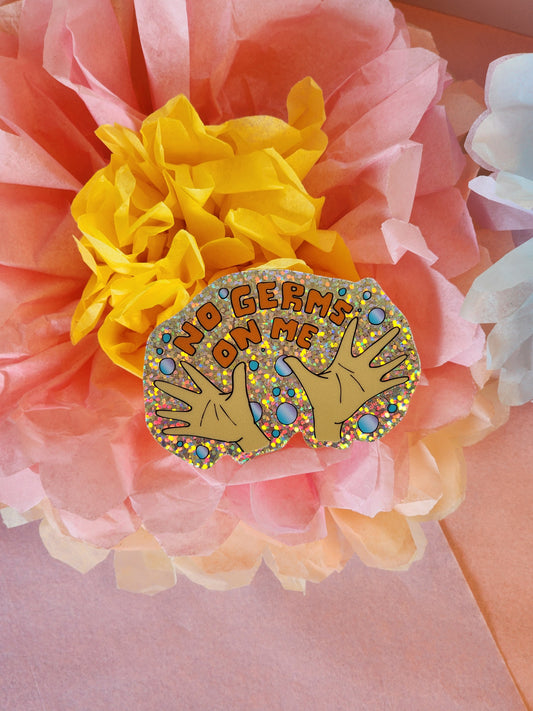
There’s also no built-in way to make a bigger deal out of bigger wins, like the first poop in the potty, a dry night, or using a public restroom for the first time.
So even with a chart in hand, parents often end up adding their own structure to make the system fit the actual stages their child is moving through.

4. What to Look for in a Potty Training Milestone Kit
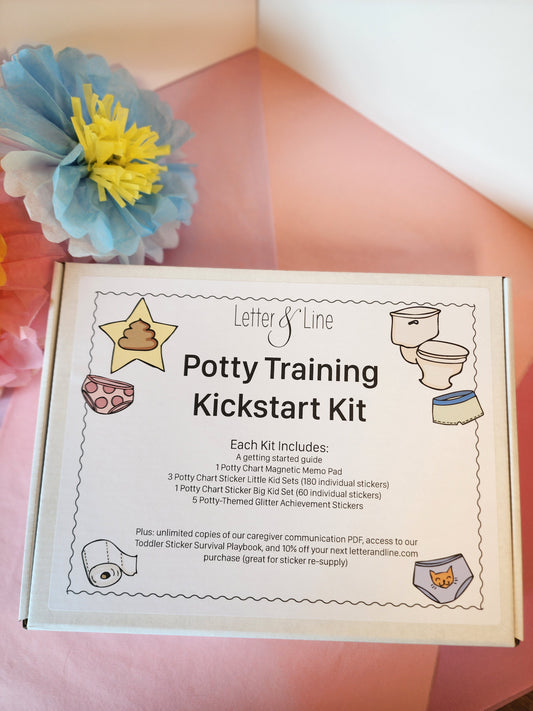
If you’re considering a potty training milestone kit, the goal isn’t just to have tools. It’s to have a system that actually supports how children learn this skill.
Look for something that includes:
-
Recognition that reflects real progress
Early potty training includes sitting, trying, staying dry for short periods, and speaking up. A good system recognizes those steps, not just the final result. -
A clear connection between action and reward
Toddlers understand more when they can see exactly what they’re being celebrated for. While cutesy animal stickers are fun, potty-specific rewards make that connection easier to grasp. -
A way to build momentum over time
Frequent reinforcement early on helps learning stick. The system should allow progress to build from little wins to big moments. -
Recognition for bigger milestone moments
First poop in the potty, a dry night, or trying something new are meaningful steps. Having a way to celebrate those moments in a special way helps reinforce confidence. -
Low effort to maintain
If it’s complicated, it won’t last. The system should fit easily into your routine and not require constant decisions to keep it going.

5. Why a Milestone-Based Approach Works
Potty training isn’t one skill. It’s a collection of smaller skills that come together over time.
Awareness. Timing. Communication. Confidence.
When the focus stays only on the final outcome, it’s easy to miss the progress happening along the way.
A milestone-based approach shifts that focus.
Instead of waiting for a “perfect” result, it recognizes the steps that lead up to it. Sitting when asked. Staying dry for a stretch of time. Trying, even when nothing happens.
Those moments may seem small, but they’re what build understanding and consistency.
And when those efforts are noticed, children start to connect their actions with positive feedback.
That’s where momentum comes from.
It also changes the tone of potty training for parents.
Instead of constantly evaluating whether it’s working, you’re able to see progress as it happens. That makes it easier to stay consistent, even during slower phases.
Over time, those small steps stack up into something much bigger.
And what once felt unpredictable starts to feel steady and manageable
That’s where potty training starts to feel manageable again.
The right potty training setup doesn’t just track outcomes.
It helps you notice what’s already going right.
And when those small wins are visible, they start to build into something bigger.
That’s how potty training moves forward. Not all at once, but step by step.