Potty Training Power Struggles: Why Toddlers Resist and What Actually Helps
Nina OttmanIf your toddler is refusing potty training or turning bathroom time into a power struggle, you’re not alone.
This is common. It does not mean you ruined potty training. It does not mean your child is difficult. And it does not mean you have to scrap everything and start over.
Potty training power struggles happen in many families, especially with strong-willed or independent toddlers. The good news is that resistance usually has less to do with ability and more to do with emotion and control.
When you understand what’s driving the pushback, you can lower the tension, protect your relationship, and get things moving again without turning the bathroom into a battlefield.
1. Why Toddlers Resist Potty Training (Even When They're Capable)
When a toddler refuses potty training, it’s rarely about being difficult.
It’s usually about change.
Potty training is a sudden shift in expectations. One day diapers are routine and predictable. The next day, there are new rules, new sensations, and a lot of adult attention focused on one small body function.
Common reasons toddlers resist include:
- A sudden increase in expectations
- Feeling watched or pressured
- Missing the predictability of diapers
- Big feelings about independence
- General life stress (a new sibling, moving homes, starting school)
- "A temperament that leans strong-willed or cautious
Notice what’s not on that list: failure.
Resistance is communication. It often signals discomfort with the intensity of the process, not an inability to learn.
If potty training has become charged in your house, the emotional temperature may be the real obstacle.
And that’s something we can adjust.

2. How to Reduce Potty Training Resistance Without Quitting
When potty training turns into a power struggle, the instinct is often to double down.
More reminders. More enthusiasm. More consequences. More incentives.
But sometimes what a resisting toddler needs most is less intensity.
Reducing pressure doesn’t mean giving up. It means lowering the emotional stakes so learning can happen again.
You might try:
- Keeping potty sits short and predictable
- Reacting neutrally to accidents
- Scaling back constant reminders
- Using a calm, matter-of-fact tone
- Resetting expectations for a few days
Instead of chasing the big win, look for smaller signs of progress.
Sitting without a fight.
Telling you after the fact.
Trying, even if nothing happens.
Staying calm after an accident.
These are not tiny things. They are learning in motion.
When you shift your attention to these smaller milestones, you rebuild momentum without turning the toilet into a battleground.
Sometimes the fastest way forward is to take the intensity down a notch.
If you're not sure whether your child is ready to try again, this post on potty training readiness signs can help you figure out where to start.

3. Give Control Back in Small, Real Ways
If potty training has turned into a battle, there’s usually a control struggle underneath it.
Toddlers don’t have much say over their day. Adults decide when they wake up, what they eat, where they go, and when they leave. Potty training can start to feel like one more thing being imposed on their body.
When a toddler refuses to sit, demands a diaper, or flat-out says no, it’s often an attempt to regain a sense of ownership.
You can shift the dynamic by redistributing control in safe, appropriate ways.
Try offering choices that keep the expectation intact while giving your child agency:
- “Do you want to try before snack or after snack?”
- “Do you want to climb up yourself or have help?”
- “Which underwear are you wearing today?”
- “Do you want Mommy or Daddy to help?”
Beyond verbal choices, you can give them physical ownership too.
Let them:
- Flush the toilet
- Set the timer
- Carry the stool
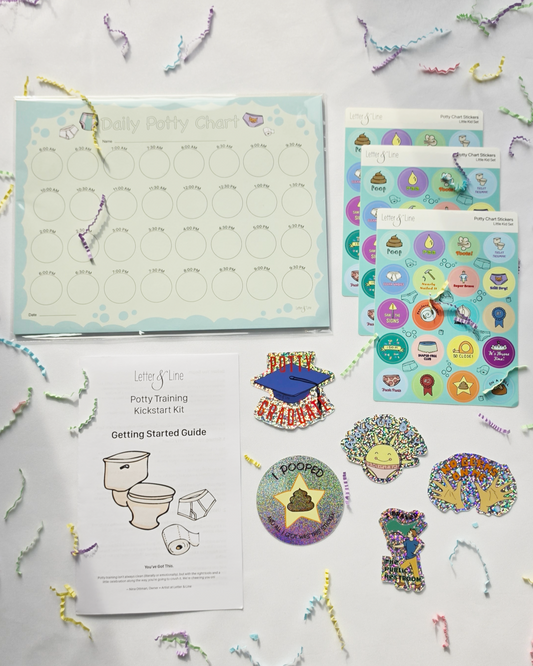
- Put the sticker on the chart
You’re not surrendering leadership. You’re inviting participation.
When children feel ownership in the process, resistance often softens. The potty is no longer something happening to them. It becomes something they are doing.
And that shift can change everything.
4. What Makes Power Struggles Worse
When emotions are high, even normal parenting tactics can take on a different tone.
A child who feels watched, pressured, or unsure may react more strongly to inputs that didn’t bother them before. The goal here isn’t perfection. It’s awareness.
Here are a few patterns that can unintentionally increase tension during potty training:
Heightened tone or urgency.
Even subtle urgency can make the moment feel bigger than it needs to be. Toddlers tend to mirror intensity.
Frequent reminders.
What feels like helpful prompting to an adult can feel like scrutiny to a child who is already sensitive about the process.
Public commentary.
Discussing accidents or progress in front of others can shift the experience from private learning to public performance.
Big, delayed rewards.
When the prize feels large or far away, it can create pressure instead of motivation. Simple, immediate reinforcement works better at this age.
Language matters, too. When frustration creeps in, it’s easy to describe a child as stubborn or difficult. Potty training is a skill they’re learning, not a personality trait they’re revealing.
Power struggles rarely show up out of the blue. They build gradually when the emotional temperature creeps up.
Noticing that shift early gives you the chance to lower the intensity before the bathroom turns into a battleground.
For more general tips on handling challenging behavior from your toddler, this article from Psychology Today is helpful.

5. When Potty Training Power Struggles Mean It's Time to Take a Break
Sometimes the healthiest next step is a short reset.
If potty training has turned into daily tears, constant tension, or a heaviness that follows you out of the bathroom, that’s useful information. The goal is skill-building, not strain on the relationship.
You might consider taking a break if:
- Your child is melting down at every attempt
- Bathroom time feels charged before it even begins
- You find yourself dreading the next reminder
- Frustration is spilling into how you speak about your child
Potty training should not become the thing that makes you speak in ways that don’t reflect how you truly see your child.
If you feel like you’re bracing yourself before every bathroom attempt, or leaving the interaction feeling discouraged and disconnected, that’s worth paying attention to.
When the process starts to strain your daily connection, the relationship deserves attention more than the routine does.
A break can look like:
- Removing pressure for a few weeks
- Resetting expectations
- Returning to diapers temporarily
- Rebuilding positive, neutral interactions around the bathroom
A reset creates space to reconnect and bring the temperature down, while also giving you an opportunity to plan ahead for a fresh restart.
Potty training resistance does not mean you have a difficult child. It usually means your child is trying to hold onto a sense of control in a process that feels big and new.
When you lower pressure, return ownership in small ways, and celebrate the effort happening underneath the surface, resistance often softens.
You don’t have to win the moment. You’re building trust and teaching a skill at the same time.
Stay steady. Protect the relationship. Progress tends to follow.