Warm Weather Potty Training: What to Consider Before You Start
Nina OttmanIf you’ve been thinking about potty training, there’s a good chance warm weather has you side-eyeing the calendar like… is now the moment?
Less laundry. Fewer layers. More time at home or outside.
It starts to feel doable in a way it didn’t in the middle of winter.
And you’re not wrong.
Warmer weather can make potty training easier. But it also comes with a few curveballs that no one really talks about until you’re standing in your backyard holding a crying toddler and an armful of towels.
Let’s walk through what actually changes when you potty train in warmer weather (and how to make it work for you, not against you).

1. The biggest upside: less clothing, less fumbling
This is the obvious one, but it matters more than people give it credit for.
Fewer layers = faster reactions = fewer accidents turning into full wardrobe changes.
Warm weather is what makes the “naked method” actually practical. You’re not trying to wrestle a toddler out of leggings, socks, and three layers while they’re actively peeing.
You can:
- Let them go without pants at home
- Move quickly when they start to go
- Help them connect the feeling → the action
That connection piece is huge. When toddlers can see what’s happening, it clicks faster.
But keep in mind, just because it’s easier logistically doesn’t mean your child is magically ready.
Warm weather removes friction. It doesn’t replace readiness.
If your toddler is showing signs they’re ready to start, this is a great time to lean in. If not, you may be adding unnecessary tension to your summer.
2. Outside time = more distractions (and more potential accidents)
Here’s where things get a little humbling.
Outside is fun. Like… too fun.
And toddlers are not known for pausing mid-adventure to reflect on their bodily signals.
So what happens?
They hold it.
They forget.
They realize too late.
Warm weather potty training can cause an increase in accidents simply because your toddler is more engaged in what they’re doing than what their body is telling them.
This is normal. It doesn't mean you weren't watching them hard enough.
Here's what helps:
- Gentle reminders before transitions (“Let’s try before we go outside”)
- Having a potty-watch or classroom timer to make sure regular tries still happen
- Keeping routines consistent even when the environment changes
You’re not expected to eliminate accidents completely. You’re helping your child notice sooner next time.
That’s the real progress.

3. Summer clothing is… not all created equal
At first glance, summer clothes seem easier.
And some of them are.
But some of them? Absolute sabotage.
Let’s break it down:
Easier options:
- Elastic waist shorts
- Lightweight pants
- Loose-fitting basics they can push down themselves
Trickier options:
- Overalls (adorable, deeply impractical)
- Rompers (same issue, just sneakier)
- Swimsuits (especially a wet one-piece… good luck)
- Dresses (sneaky, I know, but they have to pick up the skirt to not pee on it)
Don't worry, we're not banning cute clothes forever. This is about reducing friction while they’re learning the skill.
If getting to the potty requires solving a fabric puzzle, you’re going to have a harder time.
Once the habit is more solid, you can layer the cute stuff back in.

4. Water play changes the game
Warm weather = splash pads, kiddie pools, beach days, backyard hose chaos.
And suddenly you’re trying to answer the question:
“Wait… is that water or… not water?”
Water play can make it harder for toddlers to recognize when they’re actually peeing, especially early in the process.
It also makes it harder for you to notice patterns.
A few ways to handle this:
- Treat water play days as “lighter expectations” days
- Offer more frequent potty breaks before and after play
- Don’t read too much into regressions tied specifically to water environments
This is one of those phases where consistency matters more than perfection.
You’re building awareness over time, not aiming for flawless poolside behavior.
5. Planning ahead for outings, travel, and new environments
Warm weather usually means you’re out and about more.
Parks. Playdates. Road trips. Family gatherings.
And each new environment adds a layer of unpredictability.
This is where a lot of families feel like things “fall apart.”
They don’t. The environment just changed.
What helps here:
- Thinking through bathroom access before you go
- Packing a few simple supplies (extra clothes, wipes, maybe a backup plan)
- Giving your child a quick heads-up about what to expect
You don’t need to over-plan every outing.
But having a loose plan keeps you from scrambling in the moment.
(And if you’re about to head into a travel-heavy season, this is something I’ll be digging into more in upcoming posts… because there’s a lot to unpack there.)
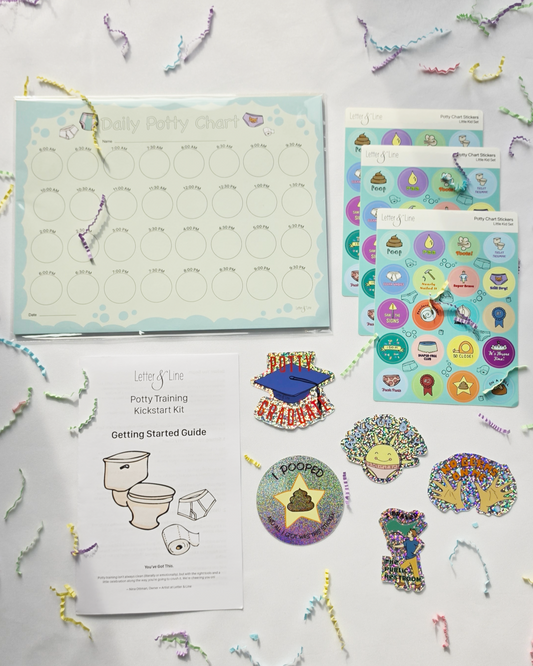
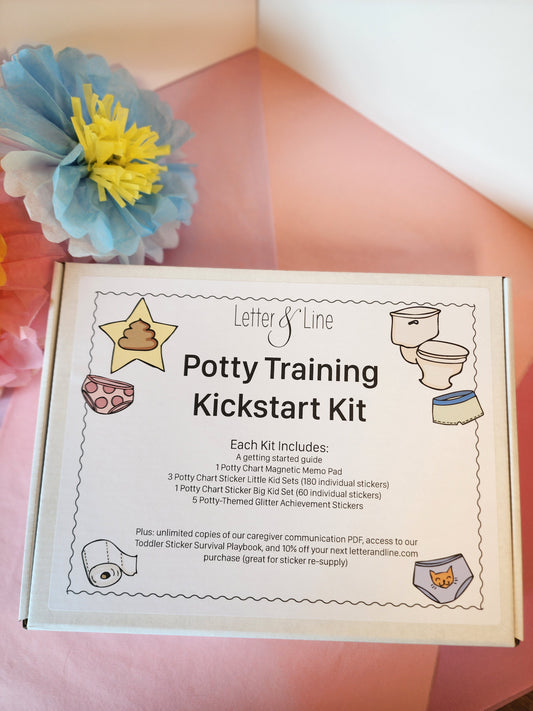
Ready to set up a simple, consistent potty routine this summer? The Potty Training Starter Kit has everything you need to build momentum — charts, stickers, and a routine that travels well.
Warm weather can absolutely make potty training feel more approachable.
Less clothing. More flexibility. More opportunities to practice.
But it also introduces new variables… distractions, clothing challenges, water play, and constantly changing environments.
It means your child will be learning a new skill in a very dynamic setting.
And like any new skill, it’s going to take repetition, patience, and a little bit of adjustment along the way.
If you keep things simple, stay consistent where it matters, and focus on helping your child notice what’s happening in their body…
Your child will start to connect the dots. One small win at a time.