Potty Training Methods Explained: Which One Is Right for Your Child?
Nina OttmanIf you’ve started researching how to potty train, you’ve probably realized something quickly:
There are a lot of potty training methods.
The 3-day method. The “Oh Crap” method. Child-led training. Timer methods. Montessori approaches. Wait-until-they’re-ready advice.
Some families even explore elimination communication (EC), which begins in infancy and focuses on reading cues long before toddlerhood.
Each one promises success. Each one has passionate supporters.
And if you’re a first-time parent, it can feel like you’re choosing the wrong one before you’ve even started.
The good news? Most potty training methods work when they’re used consistently.
The better question isn’t “Which method is best?”
It’s “Which method fits my child and my real life?”
Let’s break them down.

1. The 3-Day Potty Training Method (Including the “Oh Crap” Approach)
The 3-day potty training method is one of the most widely known potty training methods. It’s often associated with intensive, focused training over a long weekend.
You may also hear about the popular book Oh Crap! Potty Training. While not strictly limited to three days, it follows a similarly intensive, parent-led structure that begins with naked time and moves through clear learning phases.
What It Looks Like
- Clearing your schedule for several days
- Staying home
- Removing diapers during waking hours
- Frequent prompting and close observation
You may also hear this referred to as the naked method. Although some versions encourage going straight to underwear, others begin with naked time to increase body awareness.
Pros
- Quick momentum
- Clear structure
- High parent involvement
- Many families see rapid progress
Cons
- Requires full availability for several days
- Can feel intense for both parent and child
- May not work well for children who resist pressure
- Progress can stall after the initial push
This method works best for families who can commit fully for a short window and stay calm under intensity.
2. Child-Led Potty Training
Child-led potty training takes a slower, readiness-based approach. Many parents swear by waiting until 3, and this method often aligns with that philosophy.
Instead of setting a firm start date and pushing through, parents follow the child’s cues, interest, and developmental readiness.
What It Looks Like
- Introducing the potty once your child shows curiosity or signs of readiness
- Talking about the toilet and routine without pressure
- Encouraging but not insisting
- Letting the child initiate more frequently over time
- Some families continue using pull-ups during the transition phase, gradually increasing time in underwear as confidence builds.
Pros
- Lower pressure
- Often fewer power struggles
- Supports autonomy
- May feel more natural for cautious or strong-willed children
Cons
- Can take longer
- May feel unclear or inconsistent
- Progress can be gradual
- External deadlines (like preschool or kindergarten) can create pressure later if progress hasn’t solidified
This approach works well for children who are highly independent and resist being directed, and for families who are comfortable with waiting to begin.

3. Scheduled or Timer-Based Potty Training
This method relies on structured intervals rather than waiting for cues.
Parents prompt the child to sit on the potty every set amount of time.
What It Looks Like
- Using a timer or potty watch
- Regular scheduled bathroom breaks
- Clear routine integration, such as going at meal breaks and before sleep
Pros
- Predictable
- Helpful for children who don’t reliably recognize body signals yet
- Easy to implement in school or daycare settings
Cons
- Can feel mechanical
- May make it harder to tell when body awareness has developed
- Requires steady follow-through
This approach works well for children who thrive with routine and external structure, or who are more likely to reject a parent’s encouragement. After all, the timer says it’s time to go.
4. Montessori-Inspired Potty Training
Montessori potty training emphasizes independence and environmental setup.
It focuses less on rewards and more on accessibility and responsibility.
What It Looks Like
- Child-sized toilets or accessible bathroom setups
- Step stools and independence tools
- Encouraging self-management
Pros
- Builds autonomy
- Strong environmental support
- Encourages ownership
Cons
- Requires thoughtful setup
- May still need structured prompting
- Not inherently faster than other methods
This approach leans heavily into independence, making the bathroom environment work for the child instead of relying on reminders or rewards.

Consistency Matters More Than Method
Here’s the part that doesn’t get talked about enough.
Most potty training methods overlap more than they differ. They all rely on repetition, practice, and encouragement. That's how children learn.
The method matters less than your consistency, your tone, and your willingness to adjust as your child learns.
You can start with a 3-day push and shift into a slower rhythm.
You can begin child-led and add structure later.
You can use timers early and fade them out.
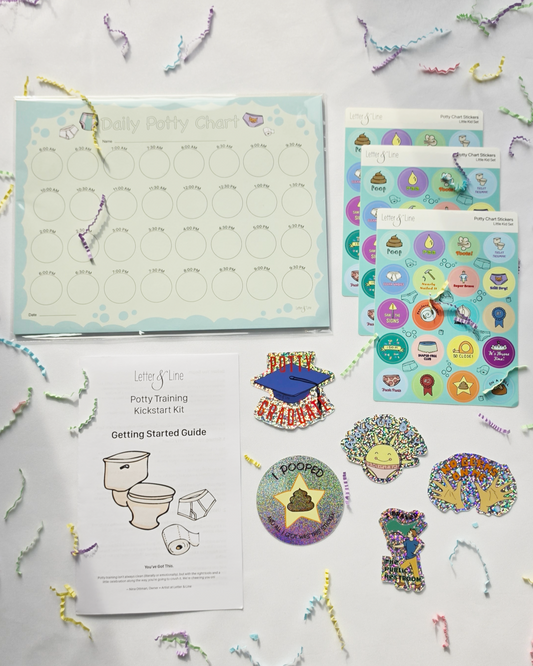
Some methods rely heavily on rewards, while others avoid them entirely. In reality, reinforcement tools like stickers or charts can integrate with any approach when they’re used thoughtfully.
Rewards work best when they’re simple, immediate, and tied directly to effort or progress. They lose their effectiveness when they require perfection too early or feel out of reach.
When reinforcement highlights awareness, bravery, and follow-through, it builds confidence instead of pressure.
Ultimately, choose the approach that fits your schedule, your child’s temperament, and your capacity to stay steady. Then stick with it long enough to let learning happen.