What to Expect the First Week of Potty Training
Nina OttmanShare
(Spoiler: There will be pee. And possibly tears. But also progress.)
Introduction
So you’ve stocked up on undies, picked your method (or just decided to wing it), and circled the date on the calendar. Whether you're diving into a 3-day potty bootcamp or easing into it gradually, the first week of potty training can feel like a blurry mix of hope, messes, and second-guessing.
This post is here to keep you grounded no matter your method or your schedule.
1. Day One Is Usually Chaos (and That’s Normal)
- Expect a lot of misses, especially if you're going diaper-free.
- Some kids fight sitting on the potty. Some will try every 5 minutes.
- If you find yourself thinking “We’re never going to survive this.” Don't worry, you will.
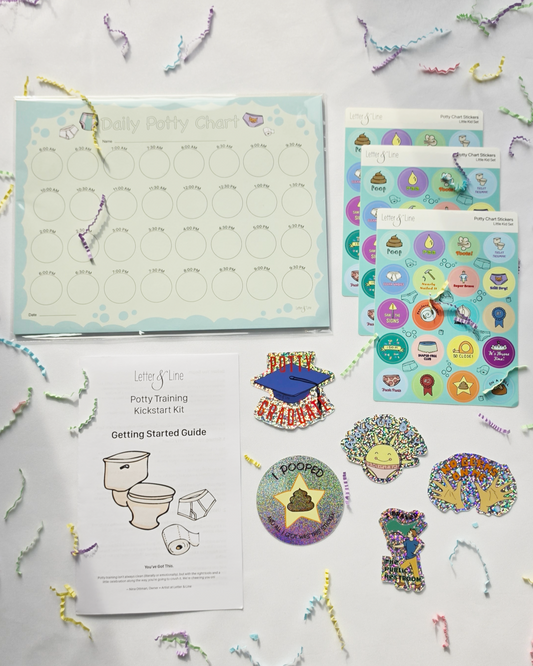
Tip: Keep expectations low and snacks, towels and clean clothes close. If you’re using a sticker chart, today's the day to start your reward routine.
2. You’ll Question Everything Around Day 2 or 3
- Progress might stall or your child may suddenly resist the potty altogether.
- This is especially common with the 3-day method crowd (a.k.a. potty bootcamp).
- For more gradual trainers, it might feel like nothing’s changing fast enough.
Reminder: Resistance doesn’t mean failure. It means your child is adjusting to a big developmental leap and trying to maintain some control in a new and intimidating situation. Stay steady.
3. Poop May Not Happen When You Want It To
- Many kids hold poop longer or wait until nap/bedtime when they’re in a pull-up.
- Others might get constipated from the stress.
- And some will lose it, becoming frightened and upset, when they feel poop falling into the toilet. (Poor kiddo!)
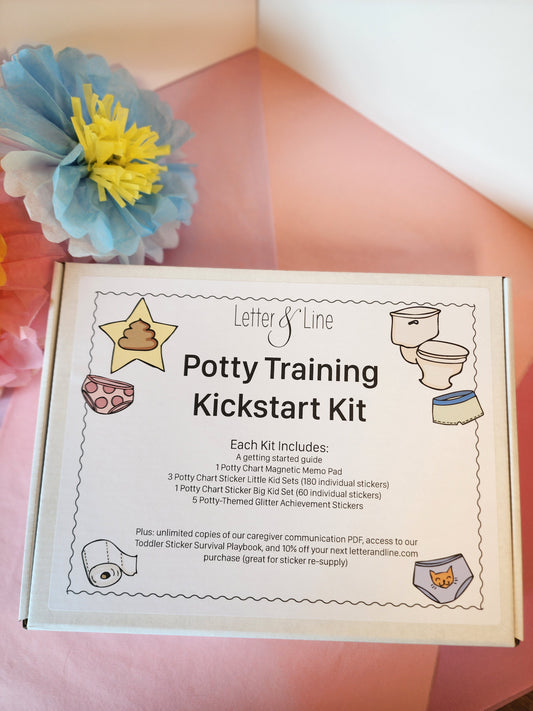
Encourage your child with compassion, and if you need to level-up your reward for this big challenge, we have a glitter sticker for that.
4. The Accidents Will Be Many, But the Wins Will Start Appearing
- Accidents are part of learning, not a sign of failure. Each accident is an opportunity to connect the feelings in their body with the results (having wet pants).
- Look for little wins: they asked, they tried, they almost made it.
- Celebrate effort over perfection to keep spirits up for both of you.
In a survey conducted by Made for Mums, results showed that over a third of children (31%) had 3–4 accidents the first day of potty training. You are not alone.
5. Caregiver Communication Matters More Than Ever
- If your child is with multiple caregivers (daycare, babysitter, etc.), consistency is key.
- Make sure everyone’s using the same phrases and routines and have a shared understanding of expectations.
- This is a great time to use a potty communication form to track progress and avoid mixed messages.
Final Thoughts: Progress Looks Different for Every Kid
Whether you're a working parent juggling this in the evenings, or home all day wondering when to safely take your own potty break, the key to a smoother week one is patience, flexibility, and a good dose of humor.
Don't let week one intimidate you or get you down. You’re parenting. You're helping your child build a skill that they'll take with them for the rest of their life. And that’s a win.